On this page
Key takeaways
- SEO gets your pages ranked in search results. AEO (answer engine optimization) gets your business named in the answers ChatGPT, Gemini, Perplexity and Google’s AI Overviews give.
- AEO builds on SEO; it doesn’t replace it. AI assistants search an index first, so a page that isn’t indexed can’t be cited.
- What changes: you win or lose a short list instead of a ranking, you target full buyer questions instead of keywords, and directories and reviews matter as much as your own pages.
- SEO reports don’t show whether AI names your business. Measure AI visibility separately: how often you’re cited for the same questions, compared with competitors.
- For most B2B websites, AEO isn’t a new program. It’s a set of changes to pages and listings you already have.
What’s the difference between AEO and SEO? SEO (search engine optimization) helps your pages rank in Google and Bing results. AEO (answer engine optimization) helps your business get named and cited when someone asks ChatGPT, Gemini, Perplexity or Google’s AI Overviews a question. They aren’t competing strategies: AI assistants find their sources through search, so AEO builds on good SEO. What changes is the goal, the kind of question you target, which sources count, and how you measure results.
Some people call it generative engine optimization (GEO). The label matters less than the shift behind it: buyers who used to scan ten blue links now often read one answer with a few names in it.
Below: whether SEO still matters, the two side by side, what stays the same, what changes for B2B websites, and where to start.
Is SEO dead?
No. AI assistants find their sources through search indexes, so if search engines can’t crawl and understand your pages, AI assistants can’t cite them either. For most B2B companies, AEO is an extension of SEO, not a replacement.
AEO vs SEO at a glance
| SEO | AEO | |
|---|---|---|
| Goal | Rank in search results | Get named and cited in AI answers |
| Where | Google and Bing results pages | ChatGPT, Gemini, Perplexity, Microsoft Copilot, Google AI Overviews and AI Mode |
| What you target | Keywords | Full questions buyers ask |
| What the buyer sees | A list of ten or more results | One answer naming a handful of companies |
| Sources that count | Mostly your own pages, plus links to them | Your pages, plus directories, review sites and articles that mention you |
| Measured by | Rankings, clicks, traffic | How often AI cites you for the same questions, compared with competitors |
| Readiness check | Technical SEO audit | AEO score: can AI find, read, understand and trust the page? |
What stays the same
Most of what makes a page good for SEO also makes it good for AEO.
- Being in the index. ChatGPT, Gemini, Perplexity and Copilot all search the web before answering. Gemini and AI Overviews use Google Search; Copilot uses Bing; ChatGPT uses its own crawler plus outside search providers (Bing is widely reported to be one); Perplexity runs its own crawler. A page that isn’t indexed can’t be cited.
- Crawl access. If robots.txt, a firewall or JavaScript-only content keeps crawlers out, neither search engines nor AI assistants can read the page.
- Helpful, original content. Google says its AI features use the same signals as Search, and that you don’t need special AI files, special markup or content rewritten for AI. Clear pages written for people are what work.
- Authority. Pages that other sites link to and mention are more likely to be found, ranked and cited.
So if your SEO basics are weak, fix them first. AEO won’t make up for a site that search engines can’t read.
What changes for B2B websites
1. You win or lose a short list, not a ranking. In search, position 6 still gets seen. An AI answer to "Which commercial HVAC contractors service office buildings in Columbus?" usually names a handful of companies. You’re either in the answer or you aren’t, and the buyer may never see the rest.
2. You target questions, not keywords. B2B buyers type full questions into AI assistants, with their situation in them: "What should a 200-employee manufacturer look for in a commercial HVAC maintenance contract?" A page built around the keyword "commercial HVAC maintenance" may rank for it and still not answer that question. AEO means identifying the 10 to 15 questions buyers ask before choosing a supplier, and making sure a page on your site answers each one directly.
3. Pages need to be easy to quote. An assistant can quote a page that puts the answer first, under a heading that matches the question, with specific facts: which industries you serve, typical timelines, price ranges if you publish them, where you work. Vague pages ("We deliver innovative solutions tailored to your needs") rank poorly in AI answers because there’s nothing in them to quote.
4. Other sites count as much as yours. AI answers about vendors often cite directories, review sites, industry lists and articles, not just company websites. For a B2B business, that means your Google Business Profile, directories and review sites (Clutch for agencies and software firms, G2 and Capterra for software, Thomasnet for manufacturers and industrial suppliers, the BBB and local listings for service businesses), industry associations and trade publications are part of AEO. If they describe your services, industries and locations differently from your website, assistants get mixed signals.
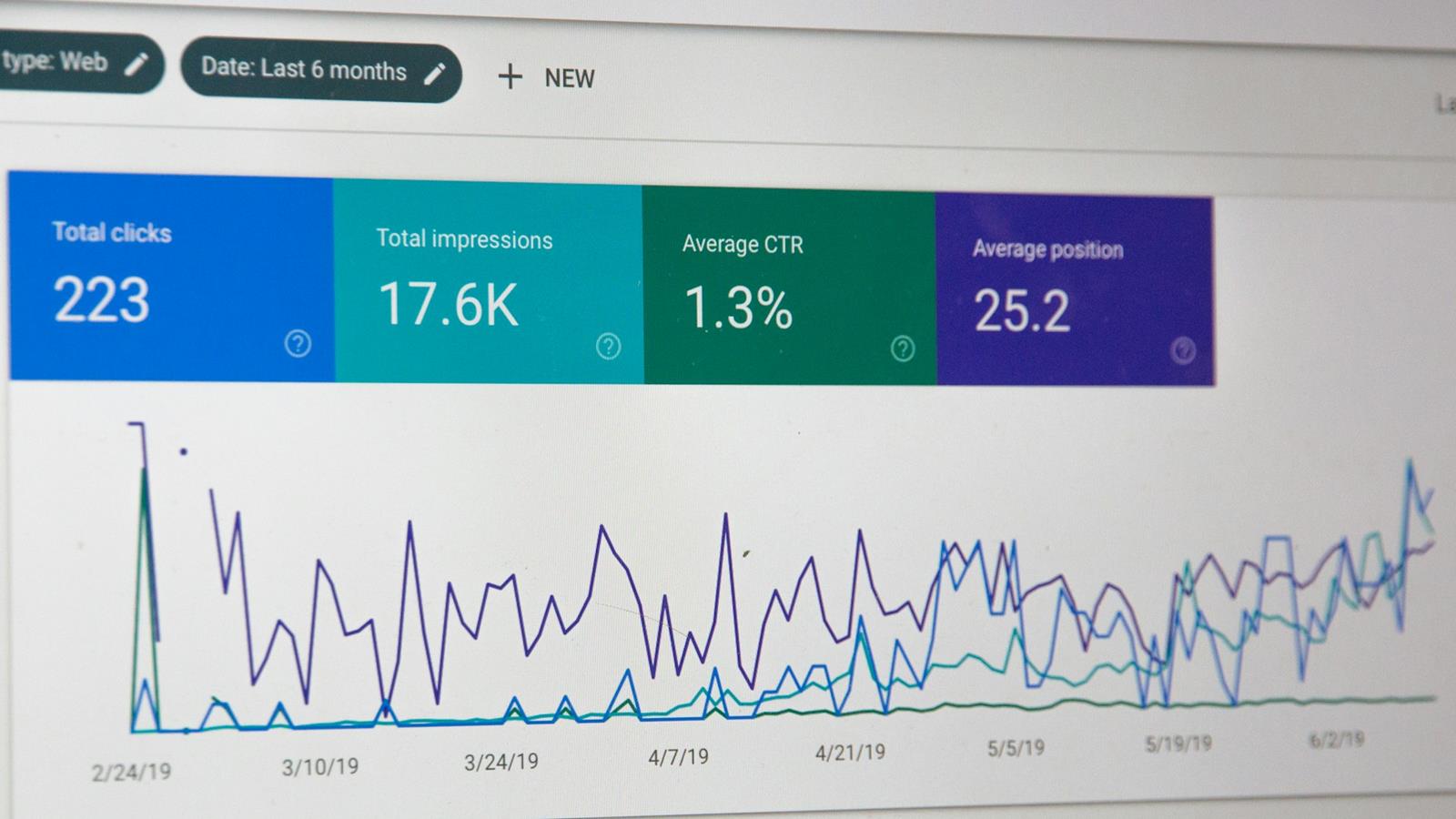
5. You measure something your SEO reports can’t see. Your SEO reports show rankings, traffic and the searches that bring clicks. They don’t show whether AI assistants name your business, which competitors they name instead, or which buyer questions you’re losing. That needs a separate measure: AI visibility, the share of answers that cite you when the same questions are asked repeatedly, compared with your competitors. Answers vary from one run to the next, so one question asked once tells you little.
Two numbers to track
Most AI visibility reports give you two numbers:
- AEO score (readiness, 0 to 100): is the page ready for AI assistants to find, read, understand and trust? Like checking that a shop is open and its sign is easy to read.
- AI visibility (results): how often AI assistants actually cite you, compared with competitors. Like counting how many customers walk in.
A page can score well on readiness and still lose citations to competitors who answer the same questions better. What is a good AI visibility score? explains how to read both, and our methodology page shows how the score is calculated.
Where a B2B website should start
You don’t need a separate AEO program. Start with what you have:
- Check the basics. Make sure AI crawlers can reach your pages and your content is in the HTML. Our AEO checklist covers robots.txt, llms.txt, schema and validation.
- Write down the questions. List the 10 to 15 questions buyers ask before they know your name.
- See who gets cited today. Ask those questions in ChatGPT, Gemini and Perplexity. How to check your AI visibility shows how to do it by hand in about 30 minutes, or use our free AI visibility checker for a scored report with competitors.
- Fix the pages and listings. Answer each question directly on a page, and make your directory and review listings match your website. How to get your website cited by ChatGPT, Gemini and Perplexity walks through seven steps.
- Measure again in 6 to 8 weeks, with the same questions. AI citations take time to change.
Keep doing your SEO alongside it. Everything in this list helps your search rankings too.
Frequently asked questions
Is AEO replacing SEO?
No. AI assistants find their sources through search indexes, so a page has to be crawlable and indexed before it can be cited. AEO adds a new goal, getting named in AI answers, on top of SEO. Businesses that drop SEO for AEO lose both.
Is AEO the same as GEO?
Mostly, yes. AEO (answer engine optimization) and GEO (generative engine optimization) both describe making your business easy for AI assistants to find, trust and cite. Some people use GEO for AI chat tools and AEO more broadly, including featured snippets and voice answers, but in practice the work is the same.
Can I rank on page one of Google and still not be cited by AI?
Yes. Ranking for a keyword doesn’t mean your page answers the full question a buyer asks an AI assistant, and assistants often cite directories, review sites and competitors’ pages instead. That’s why AI visibility needs to be measured separately from rankings.
Does AEO help with Google AI Overviews?
Yes. AI Overviews and AI Mode use Google Search, so a page needs to be indexed and eligible to show a snippet. Google says no special AI files or markup are needed. Pages that answer the question clearly, with specific facts, are the ones it can use.
Do backlinks still matter for AEO?
Yes, though differently. Links and mentions from other sites help your pages get found and ranked, which is the first step to being cited. For AEO, mentions on the directories, review sites and industry publications that AI assistants already cite matter as much as the link itself.
Is structured data (schema) required for AEO?
Google says structured data isn’t required for its AI features. It still helps assistants understand who you are and what you offer, and it’s one of the five areas in our AEO score. Make sure it’s valid and matches what the page shows.
How long does AEO take to show results?
Plan on about 6 to 8 weeks after a change before AI citations move, as assistants recrawl and re-index pages. Measure with the same questions each time, so you’re comparing like with like.
How do I measure AEO?
Track two things: an AEO score for readiness (can AI read and trust the page?) and AI visibility for results (how often AI cites you vs competitors for the same questions). You can check by hand, or run our free AI visibility checker to get both, with the competitors cited instead of you.
AEO doesn’t replace the SEO you’re already doing. It changes what counts as winning. Instead of competing for one more position in a list of search results, you’re competing to be one of the few businesses named in the answer itself. Check your AI visibility to see where you stand, or talk to us about improving it.


Join the discussion
No comments yet.
Leave a Reply